
CPA for Dentists: Tax, Profit, and Growth Strategies for $300K–$2M Practices
CPA for Dentists: Tax Strategy for Your Dental Practice
You didn’t spend years in dental school to become a tax expert. But here’s the reality—your dental practice is a business generating $300K to $2M or more, and the wrong CPA is costing you tens of thousands every year.
A dental CPA understands your dental practice the way you understand a patient’s X-rays. They see the story behind the numbers. When hygiene production is only 20% of total production? That’s a warning sign for your dental practice, and they’ll catch it. Same with supply costs creeping above 6% of collections. They spot the tax savings opportunities a generalist would miss entirely.

Why Your Dental Practice Needs a Dental CPA
Look, dental practices have complex revenue streams. You’re dealing with insurance reimbursements, patient payments, and a dozen other financial matters that require specialized expertise. A dental CPA provides standard accounting services, sure—but they also bring specialized financial guidance tailored to the dental industry.
Think of a dental CPA as a coach and strategic partner. They’re knowledgeable about the specific challenges dentists face, and they help you make informed decisions that impact both profitability and personal wealth. They know deductions like Section 179 inside and out—the kind of stuff that saves you real money when you’re purchasing new equipment.
Bottom line? Hiring a dental CPA gets you expertise for tailored financial management. We’re talking industry-specific tax strategies, compliance, cash flow, and hitting your practice goals.
What Happens When Dentists Stick With Generalist Dental Accountants
Let me tell you about one client. Solo dentist, earning $850K at her dental practice. She’d stayed with her longtime accountant for all the years she was in business. Loyalty, right? But when she finally switched to a dental CPA, we found some ugly surprises.
She was compensating herself $180K through her S-Corp when $280K was totally defensible. That mistake alone cost her $15K yearly in extra taxes. Her equipment purchases? Weren’t coordinated with Section 179 rules at all. And she had a basic IRA instead of a proper retirement program that could shelter $40K+ annually.
Total missed tax savings? Over $60,000 per year. That’s a tax liability she simply didn’t need to carry.
Here’s what’s interesting: many dentists and doctors report six-figure tax savings after switching to specialized dental CPA services. It’s not uncommon to save $50,000 to $150,000 or more in taxes annually once the right approach is in place.
Dental CPA Tax Strategy That Actually Moves the Needle
For dental practices earning $300K–$2M, these approaches deliver real savings on taxes:
S-Corp Election and Entity Structure for Your Dental Practice
Dental accountants advise on optimal entity structures like LLC or S-Corp for tax benefits. Here’s the deal: operating as a sole proprietor means every dollar of profit gets hit with self-employment taxes. We’re talking 15.3% on the first chunk, with Medicare continuing beyond that. Ouch.
An S-Corp changes everything. You set a reasonable salary, and the remaining profit comes as distributions—avoiding that extra tax burden completely. For a $750K dental practice, that’s up to $40K in annual tax savings depending on your situation. Even a $350K dental practice saves $8K–$12K yearly. Real money.
Retirement Program Design for Dental Practice Owners
The right retirement program can shelter significant income from taxes. Here’s what a layered approach looks like:
- $23,500 in 401(k) deferrals
- $35,000 in profit-sharing
- $65,000+ into a Cash Balance plan (amount varies by age—older owners can contribute more)
That’s $123,500+ sheltered from taxes. At a 40% rate, you’re looking at $49,400 in tax savings. Taxpayers in this bracket should expect these kinds of results when they work with someone who knows what they’re doing.
Section 179 and Equipment Decisions for Your Dental Office
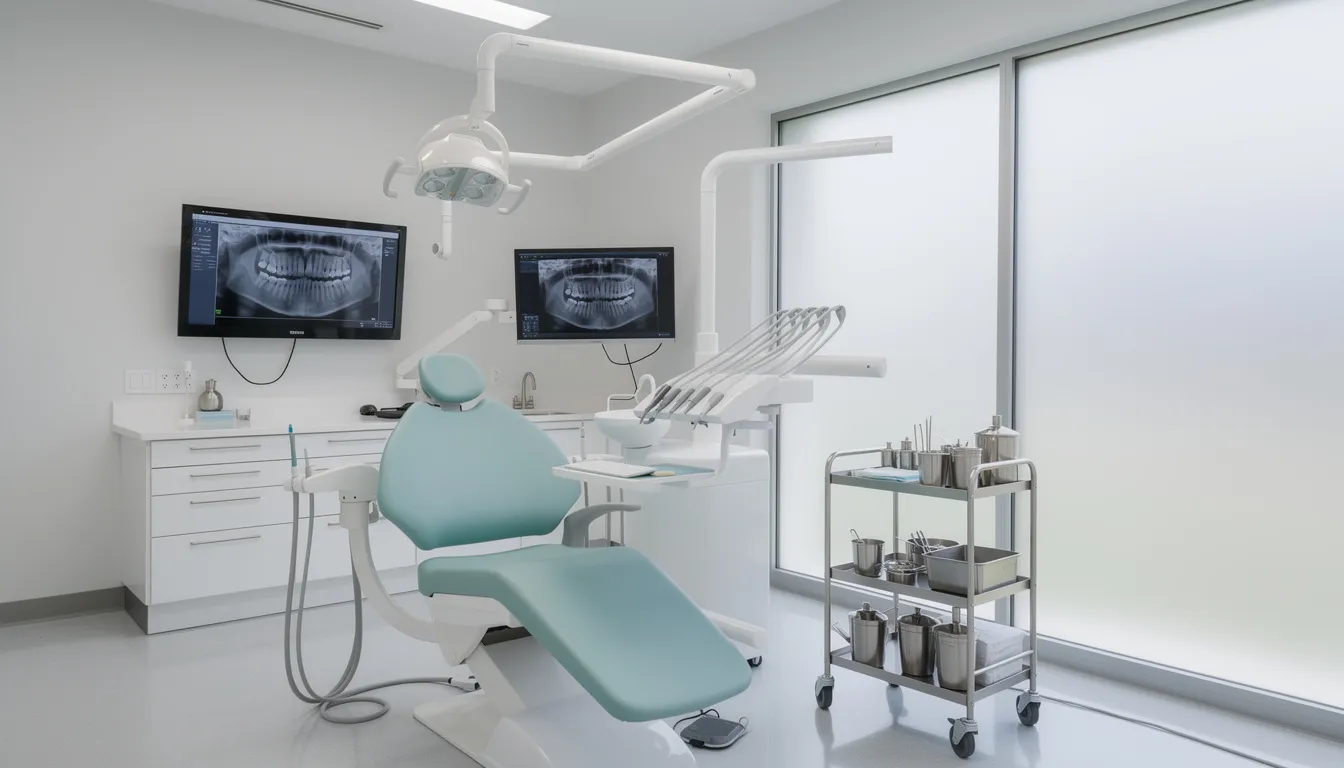
Specialized dental CPAs understand the return on investment for dental equipment. They help dentists make informed purchase decisions—and the timing really matters here. Buying a $400K piece of equipment? Time it right and you can write off the full amount in year one. At a 42% combined rate, that’s $168K in tax savings that year.
A dental CPA coordinates equipment purchases with your overall financial plan. Otherwise? You’re leaving money on the table.
Family Employment at Your Dental Office
Your child can earn $12,000 working at your dental practice for legitimate work—filing, cleaning, administrative tasks. With the standard deduction, they’ll likely owe nothing in federal taxes. You deduct the $12,000 as a business expense, saving about $4,200 at the 35% bracket.
Your spouse? They can open eligibility for their own 401(k) contributions, health insurance benefits, and profit-sharing. We’re talking $40K–$60K in tax-deductible contributions for the family. That adds up fast.
Year-Round Tax Planning vs. Once-a-Year Tax Preparation
Here’s how it usually goes. Your accountant vanishes after tax season. You hand over paperwork, they file your return, and—poof. Gone until next year. That’s tax preparation. Not tax planning. Big difference.
Dental practices often require more than just annual tax preparation services to address their financial needs and financial goals. Many CPAs only provide limited services during tax season, but some firms offer year-round support to their dental clients.
Real savings come from decisions made in real-time. When to buy equipment. How to set your salary. When to fund retirement accounts. You need a year round tax strategy, not just annual filing.
By April, most opportunities have passed. Plan ahead or deal with a bigger tax bill. Your choice.
Dental CPAs help manage fluctuating cash flows and high overhead. They stay engaged all year long—monthly bookkeeping reviews, quarterly projections so you’re not blindsided by an unexpected tax bill, mid-year check-ins to optimize your S-Corp salary.
Many dental CPA firms offer fixed-price engagements for select services. Clients often appreciate being able to pick up the phone whenever they have questions without watching a meter run.
How to Choose the Right Dental Accountants
Not all dental accountants are actual specialists. Here’s what to look for:
- Experience with dental practices your size ($300K–$2M profit)
- Knowledge of dental-specific strategies like Section 179 timing and retirement plan design
- Year-round support, not just tax preparation
- Fixed-fee pricing so you’re not afraid to ask questions
- Membership in dental CPA networks and member firms
- Access to a network of dental industry professionals for transitions and expansion
Here’s something most people don’t realize: dental CPAs often have connections that a general CPA would never have. This network through member firms gives you access to specialists in transitions, equipment financing, and management. The right process helps you achieve real success.
The right accounting services make all the difference for your business and your team members. Financial matters deserve expert attention—don’t settle for less.

Strategic Tax Plan for Dental Practice Owners Earning $750K+
If your dental practice profit exceeds $750K, a Strategic Tax Plan isn’t optional. Reactive tax preparation won’t cut it anymore. You need proactive tax strategy to unlock $50K–$150K in annual tax savings and reduce your tax liability.
Let me be clear: this isn’t for new dentists just starting their career or still dealing with student debt. It’s for successful dental practice owners who are ready to get serious about their financial future.
Dental CPA services are designed to minimize tax burdens and maximize dental practice profits for dentists. That’s the whole point.
You’ll get:
- Estimated tax savings based on your dental practice situation
- Entity and salary recommendations
- Retirement program design
- Equipment timing decisions
- Family employment strategies
It’s a 60–90 minute session resulting in a written 12-month roadmap. The plan helps you achieve your practice goals—and it pays for itself many times over.
Schedule your Strategic Tax Plan now. Proper tax strategy saves your dental practice money year after year. That’s more money for you, your team, and your future in dentistry.
